
Maximizing Your Tech’s Potential: The Importance of Proper Software Updates
In the rapidly evolving digital landscape, our reliance on technology has become absolute. From smartphones to smart homes, our devices are extensions of ourselves, facilitating communication, productivity, and entertainment. Yet, many users overlook a critical aspect of tech ownership: comprehensive software maintenance. The common misconception that a device’s performance is solely determined by its hardware is a costly one. The reality is, software, arguably more than hardware, dictates the health, security, and utility of our digital companions. Neglecting software updates is akin to driving a high-performance car without regular oil changes – it might work for a while, but eventually, its efficiency and safety will be compromised.
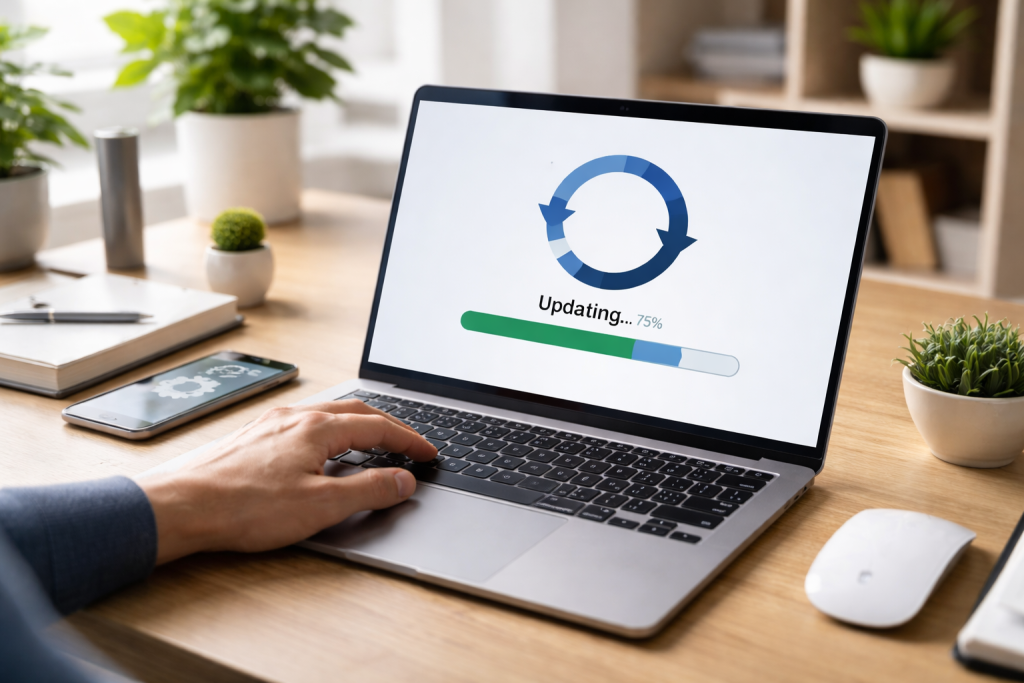
Unlocking the full capabilities of any technological device hinges directly on its software being up-to-date. Every piece of software, from operating systems to individual applications, is a complex tapestry of code, and like any intricate system, it requires ongoing refinement and improvement.
Contents
- 0.1 The Impact of Software Updates on Tech Performance
- 0.2 The Benefits of Regular Software Updates for Your Devices
- 0.3 The Ever-Evolving Threat Landscape
- 0.4 The Dangers of Unpatched Vulnerabilities
- 0.5 Introducing New Functionalities and Interface Improvements
- 0.6 Adapting to Evolving Standards and Technologies
- 0.7 Enabling Automatic Updates for Convenience and Consistency
- 0.8 Regular Backup Routines Before Major Updates
- 0.9 Checking for Updates Manually When Automatic Options are Unavailable
- 0.10 Ensuring Seamless Interaction Between Software and Hardware
- 0.11 Maintaining Ecosystem Harmony: Updates Across Multiple Platforms
- 0.12 Extending the Lifespan of Your Devices
- 0.13 Adapting to Evolving Digital Environments
- 1 FAQs
- 1.1 1. Why are software updates important for maximizing your tech’s potential?
- 1.2 2. How do software updates impact tech performance?
- 1.3 3. What are the benefits of regular software updates for your devices?
- 1.4 4. How can outdated software compromise security?
- 1.5 5. What role do software updates play in enhancing user experience?
The Impact of Software Updates on Tech Performance
Software updates are not merely cosmetic changes; they are fundamental improvements that can dramatically alter how your device operates. One of the most immediate effects is a noticeable boost in speed and responsiveness. Developers constantly optimize algorithms and streamline processes to make their software run more efficiently on existing hardware. This optimization often translates into faster boot times, quicker app launches, and smoother multitasking. Imagine a well-oiled machine versus one with grit in its gears – the difference is palpable. Furthermore, updates often address memory leaks and other resource-hogging issues that can slow down even the most powerful devices over time, restoring them to their original, or even improved, performance levels.
The Benefits of Regular Software Updates for Your Devices
Beyond performance enhancements, regular software updates offer a multitude of advantages. They are crucial for improving overall stability. Early versions of software can contain bugs and glitches that lead to crashes, freezes, and unexpected behavior. Updates meticulously patch these issues, leading to a more reliable and frustration-free user experience. Think of it as a constant refinement process where developers identify and rectify weaknesses in the code, making the software more robust and less prone to errors. This enhanced stability is vital for personal and professional users alike, preventing data loss and ensuring continuous operation.
Perhaps the most critical reason for prioritizing software updates lies in the realm of cybersecurity. The digital world is a constant battleground between benevolent developers and malicious actors. Every day, new vulnerabilities in software are discovered, and once uncovered, they become targets for exploitation.
The Ever-Evolving Threat Landscape
Cybercriminals are relentlessly searching for weaknesses in popular software to gain unauthorized access to devices, steal personal data, and launch attacks. Outdated software presents an open invitation to these criminals. Each update often includes crucial security patches that seal these newly discovered vulnerabilities, effectively closing the doors hackers might try to breach. Remaining on an older software version is like leaving your front door unlocked in a bustling city; it drastically increases your risk of falling victim to a digital intrusion.
The Dangers of Unpatched Vulnerabilities
The consequences of unpatched vulnerabilities can be severe. Personal information, financial data, and even sensitive corporate documents can be compromised. Ransomware attacks, phishing scams, and malware infections are all common threats that exploit weaknesses in outdated software. For individuals, this could mean identity theft, financial losses, or the widespread dissemination of private information. For businesses, the repercussions can be catastrophic, leading to data breaches, reputational damage, and significant financial penalties. Therefore, treating software updates as a frontline defense against cyber threats is not an exaggeration; it is a fundamental truth of responsible tech ownership.
While performance and security are paramount, software updates also play a significant role in making our devices more enjoyable and intuitive to use. They are the primary vehicle for delivering new features and improving existing ones.
Introducing New Functionalities and Interface Improvements
Developers are constantly innovating, and regular updates are how these innovations reach your devices. Imagine a new camera mode for your smartphone, an improved email client with advanced filtering, or a more streamlined interface for your operating system. These enhancements are typically delivered through software updates. They can introduce exciting new capabilities that expand the utility of your device, making it more versatile and powerful. Furthermore, user interface (UI) and user experience (UX) refinements, often bundled with updates, can make navigating your device more intuitive, aesthetically pleasing, and efficient. These subtle changes can significantly improve daily interactions with your technology.
Adapting to Evolving Standards and Technologies
The technological landscape is always shifting, with new standards, protocols, and hardware emerging regularly. Software updates ensure your devices remain compatible with these advancements. For instance, an update might allow your device to connect to a newer Wi-Fi standard, support a new file format, or seamlessly integrate with a recently released peripheral. Without these updates, your devices risk becoming isolated islands in a connected world, unable to leverage the latest technological breakthroughs or interact effectively with newer devices. This adaptability is crucial for maintaining the long-term relevance and utility of your tech investments.
Given the critical importance of software updates, adopting practices that ensure their timely and effective implementation is essential. This isn’t just about clicking “install” when prompted; it’s about a proactive approach to tech maintenance.
Enabling Automatic Updates for Convenience and Consistency
The easiest and most effective way to stay current is to enable automatic updates whenever possible. Most operating systems and popular applications offer this feature, allowing software to download and install updates in the background or during off-peak hours. While some users express concern about potential issues with automatic updates, the benefits typically far outweigh the risks. This hands-off approach ensures that your devices are always protected with the latest security patches and performance enhancements without requiring constant manual intervention. It minimizes the chances of forgetting or procrastinating on updates, which can be costly mistakes.
Regular Backup Routines Before Major Updates
While software updates are generally robust, unforeseen issues can occasionally arise. To safeguard against potential data loss or system instability during significant updates, implementing a regular backup routine is highly recommended. Backing up your crucial data to an external drive or cloud service before a major operating system update provides peace of mind. Should anything go wrong, you can restore your device to a previous stable state without losing important files. This preventative measure is a cornerstone of responsible tech management, turning potential headaches into minor inconveniences.
Despite the convenience of automatic updates, there will be instances where manual checks are necessary. Some older software, niche applications, or certain device firmware might not offer automatic update features. In these cases, it’s prudent to periodically visit the developer’s website or check within the application’s settings for available updates. This proactive approach ensures that even less-frequently updated components of your tech ecosystem remain current and secure. Establishing a monthly or quarterly reminder to perform these manual checks can be a simple yet effective strategy.
Software updates are not isolated events; they are part of a broader ecosystem. Their effectiveness is heavily dependent on their compatibility with existing hardware and other software.
Ensuring Seamless Interaction Between Software and Hardware
A well-executed software update considers the specific hardware it will run on. Developers work to optimize their software for various processors, memory configurations, and display technologies. An update that improves performance on one device might need specific adjustments for another to achieve the same results. Therefore, ensuring that updates are tailored for your particular hardware is crucial for maximizing benefits and avoiding new issues. Compatibility testing is a significant part of the development process for this very reason.
Maintaining Ecosystem Harmony: Updates Across Multiple Platforms
In today’s interconnected world, many of us use a range of devices and platforms – a smartphone, a laptop, a tablet, and perhaps a smart home hub. For a truly seamless experience, it’s imperative that software updates across these various devices maintain compatibility and integration. An update on your phone might introduce a new feature that relies on a corresponding update on your laptop for full functionality. A fragmented update strategy, where one device is updated but another is not, can lead to syncing issues, reduced functionality, and general friction in your digital ecosystem. Striving for harmonious updates across all your devices ensures that your entire tech setup works together efficiently.
Investing in technology is a significant decision, and getting the most longevity and utility out of those investments requires thoughtful maintenance. Regular software updates are a cornerstone of future-proofing your tech.
Extending the Lifespan of Your Devices
One of the most tangible benefits of consistent software updates is the extended lifespan of your devices. By keeping your software optimized, secure, and compatible with new standards, you can significantly prolong the usability of your hardware. A device that receives regular updates is less likely to become obsolete prematurely due to security vulnerabilities, performance degradation, or incompatibility with newer services and applications. This translates to greater return on your initial investment and less frequent need for costly hardware upgrades.
Adapting to Evolving Digital Environments
The digital world is not static; it is in a constant state of flux. New services emerge, existing ones evolve, and the demands placed on our devices continue to grow. Software updates are the mechanism by which your devices adapt to these changes. They allow your tech to remain relevant in an ever-changing environment, ensuring you can leverage the latest innovations, participate in new online communities, and utilize cutting-edge applications. Without this continuous adaptation, your devices risk being left behind, unable to fully participate in the modern digital experience. Thus, software updates are not just about fixing current problems; they are about preparing your technology for the challenges and opportunities of tomorrow.
FAQs
1. Why are software updates important for maximizing your tech’s potential?
Software updates are important for maximizing your tech’s potential because they often include bug fixes, performance improvements, and new features that can enhance the overall functionality and user experience of your devices.
2. How do software updates impact tech performance?
Software updates can impact tech performance by addressing security vulnerabilities, optimizing system resources, and improving the efficiency of the software, which can result in faster and more reliable performance for your devices.
3. What are the benefits of regular software updates for your devices?
Regular software updates can provide benefits such as improved security, enhanced functionality, better compatibility with other devices and software, and a longer lifespan for your tech by keeping it up to date with the latest advancements.
4. How can outdated software compromise security?
Outdated software can compromise security by leaving your devices vulnerable to known security threats and exploits that have been addressed in newer versions. Without regular updates, your tech may be at risk of malware, data breaches, and other security issues.
5. What role do software updates play in enhancing user experience?
Software updates play a crucial role in enhancing user experience by introducing new features, improving usability, and addressing user feedback and issues. This can result in a more intuitive, efficient, and enjoyable experience for the users of the updated software.
Welcome to The Tech Instruct, your trusted platform for simple, practical, and beginner-friendly technology learning.