
The Importance of Software Updates: Keeping Your Devices Safe and Secure
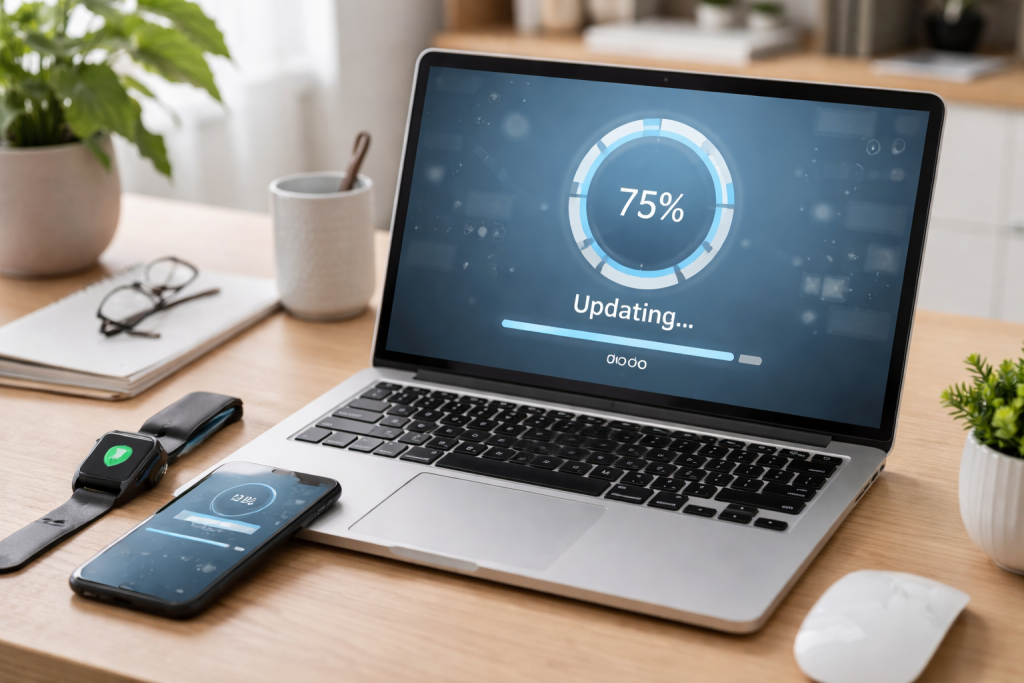
The ever-evolving landscape of technology brings with it a constant stream of innovation, and at the heart of this progress lies software. From the operating system that powers your computer to the applications on your smartphone, software is the invisible engine driving our digital lives. However, this dynamic environment also presents inherent vulnerabilities, making the diligent practice of software updates not merely a recommendation, but a critical necessity for safeguarding our devices and personal information. Ignoring software updates is akin to leaving the doors and windows of your home unlocked in an increasingly connected world. The risks are tangible, and the benefits of staying current are profound, impacting everything from cybersecurity to device performance.
The digital realm is not a static entity. Cybercriminals are perpetually seeking new avenues to exploit weaknesses, and outdated software often represents the most accessible entry points. When software developers discover vulnerabilities, they release patches and updates to address these security holes. Failing to apply these updates leaves those vulnerabilities exposed, creating a digital playground for malicious actors. This neglect can lead to a cascade of detrimental consequences, impacting individuals and organizations alike.
Contents
- 0.1 Security Vulnerabilities: Open Doors for Exploitation
- 0.2 Data Breaches: The Ultimate Consequence
- 0.3 Enhanced Security: Fortifying Your Digital Fortress
- 0.4 Improved Performance and Stability: A Smoother Digital Experience
- 0.5 Patching Vulnerabilities: The Digital Band-Aid
- 0.6 Introducing Advanced Security Measures: Evolving Defenses
- 0.7 Reducing the Attack Surface: Shrinking the Target
- 0.8 Staying Ahead of the Curve: Adapting to Evolving Threats
- 0.9 Optimizing Code and Algorithms: Streamlining Operations
- 0.10 Improving Resource Utilization: Making the Most of Your Hardware
- 0.11 Protecting Sensitive Personal Information: The Mobile Fortress
- 0.12 Ensuring App Compatibility and Functionality: A Seamless Experience
- 0.13 Enable Automatic Updates Whenever Possible: The Hands-Off Approach
- 0.14 Regularly Check for Updates Manually: The Vigilant Approach
- 0.15 Understand What is Being Updated: Informed Decision-Making
- 1 FAQs
- 1.1 1. Why are software updates important for keeping devices safe and secure?
- 1.2 2. What are the risks of using outdated software?
- 1.3 3. What are the benefits of regular software updates?
- 1.4 4. How do software updates protect devices from cybersecurity threats?
- 1.5 5. What is the impact of software updates on device performance?
Security Vulnerabilities: Open Doors for Exploitation
At its core, outdated software is a ticking time bomb of security risks. Developers continuously identify and patch newly discovered flaws in their code. These vulnerabilities can range from minor glitches to critical exploits that allow unauthorized access to your device. Imagine a software company discovering a weakness in their system that, if left unaddressed, could allow someone to steal your bank login details or install harmful malware. Without an update, that particular entry point remains wide open for anyone with the knowledge to exploit it. This is precisely why security patches are so vital. They are the digital equivalent of reinforcing the locks on your digital doors and windows. The longer you delay, the more opportunities you provide for someone to bypass your defenses.
Exploiting Known Flaws: A Hacker’s Delight
Attackers actively scan for devices running older versions of software, as these are predictable targets. They can readily access lists of known vulnerabilities associated with specific software versions and then use readily available tools and techniques to exploit these weaknesses. This isn’t some speculative threat; it’s a common practice in the cybersecurity world. By staying updated, you effectively close off these known avenues of attack, forcing attackers to invest more time and effort to find new, more complex exploits – a much less efficient strategy for them.
Malware Infections: The Silent Invaders
One of the most common consequences of running outdated software is the increased risk of malware infections. Malware, encompassing viruses, ransomware, spyware, and more, can wreak havoc on your devices. It can steal sensitive data, disrupt your operations, and even hold your files hostage. Many malware campaigns are specifically designed to target unpatched vulnerabilities. Without the necessary software updates, your device becomes an easy target for these infections, potentially leading to significant financial losses, identity theft, and prolonged periods of system downtime.
Data Breaches: The Ultimate Consequence
For businesses and individuals alike, the most devastating outcome of running outdated software is a data breach. Sensitive information, whether it’s customer records, financial data, confidential intellectual property, or personal photographs, can be pilfered and exposed to the public. The reputational damage and legal ramifications of a data breach can be catastrophic, leading to a loss of trust, hefty fines, and even business closure. Regularly updating your software is a fundamental layer of defense against such calamitous events.
In contrast to the stark realities of outdated software, the benefits of embracing regular updates are far-reaching and overwhelmingly positive. Software updates are not just about fixing bugs; they are integral to the ongoing health, efficiency, and security of your digital ecosystem. They represent an investment in the longevity and reliability of your devices.
Enhanced Security: Fortifying Your Digital Fortress
The most compelling reason to update software is the immediate enhancement of security. Each update often includes patches for newly discovered vulnerabilities, effectively closing the gaps that hackers seek to exploit. By installing these updates promptly, you are proactively fortifying your digital defenses. This significantly reduces the likelihood of a successful cyberattack, protecting your personal information, financial credentials, and digital identity from falling into the wrong hands. Think of it as receiving a new, stronger lock for your front door – readily available and significantly more secure.
Closing Known Exploits: Eliminating Easy Targets
As mentioned, attackers thrive on exploiting known vulnerabilities. Software updates are designed to neutralize these known exploits. When a security flaw is identified, developers work diligently to develop a fix. Applying this fix renders the vulnerability moot, meaning that any attacker attempting to use that specific exploit will be met with a wall instead of an open doorway. This proactive measure is far more effective and less stressful than dealing with the aftermath of a security incident.
Introduction of New Security Features: Building Smarter Defenses
Beyond simply patching existing holes, software updates often introduce new security features and improved protective mechanisms. These can include enhanced encryption protocols, more robust authentication methods, or improved threat detection capabilities. These advancements are vital in staying ahead of the ever-evolving tactics of cybercriminals. They provide your devices with more sophisticated tools to identify and neutralize emerging threats before they can cause harm.
Improved Performance and Stability: A Smoother Digital Experience
While security is paramount, software updates also contribute significantly to the smooth and efficient operation of your devices. Developers continuously work to optimize code, resolve bugs, and improve overall system stability. This translates into a more responsive and reliable user experience. You’ll notice fewer crashes, faster loading times, and a generally more enjoyable interaction with your technology.
Bug Fixes and Performance Optimization: Eliminating Annoyances
Many updates are dedicated to addressing minor bugs and glitches that can accumulate over time, leading to frustrating performance issues. These fixes can range from improving application responsiveness to resolving memory leaks that can slow down your system. By keeping your software up-to-date, you ensure that your devices are operating at their peak potential, free from the common annoyances that can detract from your productivity and enjoyment.
Enhanced System Stability: Preventing Unexpected Downtime
Outdated software can be a breeding ground for instability. Conflicts between different software components, or unresolved bugs, can lead to unexpected crashes, freezes, and even data loss. Regular updates aim to resolve these inconsistencies, creating a more stable and predictable operating environment. This is particularly crucial for businesses where system downtime can translate into significant financial losses and operational disruptions.
The notion that software updates are merely cosmetic changes is a dangerous misconception. In reality, they are the silent guardians of our digital lives, working diligently behind the scenes to keep our devices safe and functional. Their protectory role is multifaceted, encompassing a proactive approach to security and a commitment to ongoing improvement.
Patching Vulnerabilities: The Digital Band-Aid
The most direct way software updates protect your devices is by patching known security vulnerabilities. When security researchers or the software vendor themselves discover a flaw that could be exploited by malicious actors, they develop a software patch. This patch effectively “fixes” the vulnerability, much like applying a band-aid to a cut. Without this patch, the vulnerability remains open, allowing potential attackers to exploit it. Regularly applying these updates ensures that your devices are not leaving these “wounds” exposed.
Addressing Zero-Day Vulnerabilities: The Race Against Time
While many vulnerabilities are known after their discovery, the concept of “zero-day” vulnerabilities adds another layer of urgency. These are previously unknown flaws that attackers can exploit before the software vendor is even aware of them. While software updates can’t directly prevent zero-day attacks that are entirely novel, they are often part of the response. Once a zero-day exploit is discovered and a patch is developed, rapid deployment of that patch becomes critical to preventing widespread damage. Staying updated ensures you are not left vulnerable to the most recently discovered threats.
Introducing Advanced Security Measures: Evolving Defenses
Beyond simply fixing existing problems, software updates frequently incorporate advanced security measures. This can include the implementation of new encryption standards, stronger authentication protocols, or more sophisticated malware detection algorithms. These proactive enhancements build more resilient defenses, making it increasingly difficult for attackers to breach your systems. For instance, an update might introduce multi-factor authentication as a standard feature, adding an essential layer of security to your accounts.
Strengthening Encryption: Keeping Your Data Confidential
Encryption is a fundamental pillar of digital security, scrambling your data so that it is unreadable to unauthorized parties. Software updates can introduce stronger and more efficient encryption algorithms, ensuring that your sensitive information, whether it’s emails, financial transactions, or personal files, remains confidential. As cryptographic science advances, so too must the encryption implemented in our software to stay ahead of potential decryption techniques.
Enhanced Threat Detection: Identifying and Neutralizing Malicious Activity
Many modern software updates include improvements to threat detection capabilities. This can involve more intelligent algorithms that can identify suspicious patterns of behavior on your device, flagging potential malware or unauthorized access attempts. These systems are constantly learning and evolving, making them more adept at recognizing and neutralizing new and emerging threats before they can cause significant damage.
In the ongoing battle for digital security, software updates are not just a tool; they are a fundamental pillar of a robust cybersecurity strategy. They represent the proactive, preventative measures that individuals and organizations must take to protect themselves from the relentless barrage of cyber threats. Ignoring them is akin to sending soldiers into battle without their armor.
Reducing the Attack Surface: Shrinking the Target
Every piece of software on your device represents a potential entry point for attackers. Outdated software, with its known vulnerabilities, significantly increases this “attack surface.” By keeping your software updated, you are effectively shrinking this target. Each update closes off a potential avenue of entry, making your device a less appealing and more difficult target for cybercriminals. It’s like boarding up broken windows and reinforcing weak doors – making your home far less accessible to intruders.
Patching Known Exploits: Eliminating Obvious Entry Points
The majority of cyberattacks exploit known vulnerabilities in software. These are the low-hanging fruit for attackers. By diligently applying software updates, you are systematically eliminating these obvious entry points. Attackers don’t have to be particularly sophisticated to exploit a well-known, unpatched vulnerability. Regular updates ensure that these easy wins are unavailable to them.
Preventing the Spread of Malware: Containing the Damage
When one device on a network becomes infected with malware due to an unpatched vulnerability, it can quickly spread to other devices. Software updates, by securing individual devices, help to create a more secure ecosystem. This containment is crucial for both personal networks and large corporate infrastructures, preventing a single compromised device from bringing down an entire system.
Staying Ahead of the Curve: Adapting to Evolving Threats
The cybersecurity landscape is in constant flux. New threats emerge regularly, and attackers are continually developing new tactics and tools. Software vendors are at the forefront of this arms race, developing updates that address these evolving threats. By embracing these updates, you are ensuring that your defenses are not static but are actively adapting to the latest challenges. It’s a continuous process of improvement and anticipation.
Incorporating New Security Technologies: Building Future-Proof Defenses
Updates often introduce new security technologies that were not available or feasible when the original software was released. This could range from AI-powered anomaly detection to more advanced data loss prevention mechanisms. These advancements are crucial for building future-proof defenses, ensuring that your devices are protected against threats that haven’t even emerged yet.
Responding to Emerging Threats: The Immediacy of Patching
When a critical new threat emerges, software vendors often release emergency patches to address it quickly. Being signed up for automatic updates or diligently checking for them is crucial in these situations. Responding rapidly to emerging threats through updates can mean the difference between a minor inconvenience and a catastrophic data breach.
While the security implications of software updates are paramount, their impact on device performance is another significant, often overlooked, benefit. As technology advances, so too does the sophistication of software. Updates are not just about patching vulnerabilities; they are also about refining and optimizing the software to run more efficiently and effectively.
Optimizing Code and Algorithms: Streamlining Operations
Software developers are constantly analyzing their code for inefficiencies. Updates often include optimizations that streamline algorithms, improve memory management, and reduce processing demands. This leads to a more responsive and snappier user experience. Applications launch faster, tasks complete more quickly, and your device simply feels more agile. This is particularly noticeable on older hardware, where software optimizations can breathe new life into aging devices.
Faster Application Loading: Reducing Waiting Times
Have you ever found yourself staring at a loading screen for what feels like an eternity? Software updates can significantly reduce these waiting times by optimizing how applications access and process data. This translates to less frustration and more productivity as you can get to what you need to do without unnecessary delays.
Smoother Multitasking: Seamless Transitions
When you’re juggling multiple applications, the system’s ability to manage resources efficiently becomes crucial. Updates that improve memory management and process scheduling allow for smoother multitasking. Switching between applications becomes seamless, and your device is less likely to become bogged down when running several programs simultaneously.
Improving Resource Utilization: Making the Most of Your Hardware
Software updates are also designed to make better use of your device’s hardware. This can involve more intelligent resource allocation, ensuring that the processor and memory are used optimally for the tasks at hand. This improved resource utilization not only boosts performance but can also contribute to better battery life on mobile devices, as the hardware is not being unnecessarily strained.
Enhanced Battery Life: Powering Through Your Day
On mobile devices, software updates often include optimizations that reduce power consumption. This can be achieved through more efficient background processes, improved power management settings, or by optimizing how the system utilizes the battery. The result is a device that can last longer on a single charge, allowing you to stay connected and productive throughout the day.
Reduced System Load: A Less Strained Device
By optimizing code and improving resource management, software updates can reduce the overall load on your device’s system. This means your processor is working less intensely, your cooling fans may run less often, and your device is less likely to overheat. A less strained system is generally a more stable and reliable system.
In today’s hyper-connected world, smartphones and tablets are no longer mere communication tools; they are extensions of our digital selves, repositories of personal data, and gateways to online services. Consequently, the importance of keeping these mobile devices updated cannot be overstated. They are often the most frequently used and therefore most exposed devices in our digital lives.
Protecting Sensitive Personal Information: The Mobile Fortress
Your mobile device likely contains a treasure trove of personal information: photos, contacts, financial apps, messaging history, and even location data. Running outdated software on your phone or tablet significantly increases the risk of this sensitive data being compromised. Cybercriminals actively target mobile devices, and unpatched vulnerabilities can provide them with a direct route to your personal life. Regular updates are crucial for maintaining the integrity and privacy of this data.
Securing Financial Transactions: Keeping Your Money Safe
Many of us use our mobile devices for online banking, shopping, and other financial transactions. Outdated security protocols or unpatched vulnerabilities in mobile operating systems or banking apps can leave these transactions vulnerable to interception or fraud. Software updates often include enhanced encryption and security measures specifically designed to protect your financial activities.
Safeguarding Social Media and Communication: Protecting Your Digital Identity
Your social media accounts and messaging apps are extensions of your digital identity. Compromised accounts can lead to the spread of misinformation, reputational damage, and even phishing attacks directed at your contacts. Updates to operating systems and individual applications strengthen the security of these communication platforms, helping to prevent unauthorized access and misuse.
Ensuring App Compatibility and Functionality: A Seamless Experience
As app developers create new and innovative applications, they often require newer versions of mobile operating systems to function correctly. Running an outdated version of iOS or Android can lead to compatibility issues, where new apps simply won’t install or run properly. Furthermore, older versions may miss out on crucial bug fixes and performance improvements released by app developers.
Accessing the Latest Features: Enhancing Your Mobile Experience
Software updates for mobile devices often introduce new features and functionalities that enhance your user experience. These can range from improved camera controls and more intuitive user interfaces to advanced privacy settings and new accessibility options. By keeping your device updated, you ensure that you have access to the latest innovations and can take full advantage of your device’s capabilities.
Smooth Performance and Stability: Keeping Your Phone Responsive
Just like with computers, older versions of mobile operating systems can become bogged down with bugs and inefficiencies, leading to slow performance and frequent crashes. Updates address these issues, ensuring that your smartphone or tablet runs smoothly, responds quickly to your commands, and is less prone to unexpected shutdowns. This is especially important for demanding applications like mobile games and video streaming.
The importance of software updates is clear, but effectively managing them can sometimes feel like a daunting task. Fortunately, a few key best practices can help streamline the process and ensure your devices remain secure and performant without becoming an overwhelming chore. Proactive management is far more effective than reactive damage control.
Enable Automatic Updates Whenever Possible: The Hands-Off Approach
Many operating systems and applications now offer the option to enable automatic updates. This is arguably the most effective strategy for ensuring you are always running the latest, most secure versions of your software. By enabling this feature, you delegate the update process to your device, allowing it to download and install updates in the background, often during periods of inactivity. This minimizes the chances of manual oversight and ensures a continuous stream of security patches and performance improvements.
Scheduled Background Updates: The Invisible Guardian
Automatic updates are typically designed to install in the background, often when your device is connected to Wi-Fi and not actively being used. This ensures that the update process doesn’t interrupt your workflow or drain your battery unnecessarily. It’s a silent guardian working to keep your devices protected without demanding your constant attention.
Reduced Risk of Forgetting: Eliminating Human Error
The simple act of forgetting to check for or install updates is a common security oversight. Automatic updates eliminate this risk entirely, ensuring that your software is consistently patched against emerging threats. This is particularly important for less tech-savvy users, who may not be aware of the importance of manual updates.
Regularly Check for Updates Manually: The Vigilant Approach
While automatic updates are highly recommended, it’s still a good practice to manually check for updates periodically. This is especially true for critical security updates or when an application has a specific feature you are eager to access. For some software, such as certain antivirus programs or specialized business applications, manual checks might provide an added layer of assurance.
The First Line of Defense for Applications: Ensuring App Health
Beyond operating system updates, individual applications also require regular updates from their developers. Make it a habit to check the app store for updates to your frequently used applications. This ensures that you have the latest features and security patches for your entire software ecosystem.
Staying Informed About Critical Patches: Prioritizing Security
Sometimes, exceptionally critical security vulnerabilities are discovered that require immediate attention. While automatic updates usually handle these, a manual check can provide an extra layer of peace of mind, ensuring you are not susceptible to newly disclosed threats that might require a very prompt response.
Understand What is Being Updated: Informed Decision-Making
Before installing a large update, especially an operating system update, it’s beneficial to briefly review the release notes or changelog. This provides insight into what has been changed, what bugs have been fixed, and what new features have been introduced. This knowledge can help you anticipate any potential impact on your workflow or identify new functionalities you might want to explore.
Anticipating Changes: Preparing for New Features or Interfaces
Understanding the scope of an update can help you prepare for any changes to the user interface or new functionalities. This can prevent confusion and ensure a smoother transition to the updated version. Knowing what to expect also allows you to leverage new features immediately, enhancing your productivity and device experience.
Identifying Potential Issues: Informed Problem Solving
Occasionally, a software update might introduce a minor bug or incompatibility with other software. By reviewing the release notes, you might be forewarned about known issues, allowing you to take preventive measures or troubleshoot more effectively if problems arise. This informed approach can save you time and frustration in the long run.
FAQs
1. Why are software updates important for keeping devices safe and secure?
Software updates are important for keeping devices safe and secure because they often contain patches for security vulnerabilities that could be exploited by cybercriminals. By regularly updating software, users can protect their devices from potential security threats.
2. What are the risks of using outdated software?
Using outdated software can expose devices to various risks, including security vulnerabilities, malware attacks, and potential data breaches. Outdated software may also lack important performance and feature improvements that are included in newer versions.
3. What are the benefits of regular software updates?
Regular software updates offer several benefits, including improved security, enhanced performance, bug fixes, new features, and compatibility with the latest technologies. By staying up to date with software updates, users can ensure that their devices are running efficiently and securely.
4. How do software updates protect devices from cybersecurity threats?
Software updates protect devices from cybersecurity threats by addressing known security vulnerabilities and weaknesses in the software. By patching these vulnerabilities, software updates help to prevent unauthorized access, data breaches, and other malicious activities.
5. What is the impact of software updates on device performance?
Software updates can have a positive impact on device performance by addressing performance issues, optimizing resource usage, and introducing new features that can enhance the overall user experience. However, it’s important to note that some updates may require more system resources, which could potentially impact performance on older devices.
Welcome to The Tech Instruct, your trusted platform for simple, practical, and beginner-friendly technology learning.