The Ultimate Guide to Regaining Control of Your Notifications
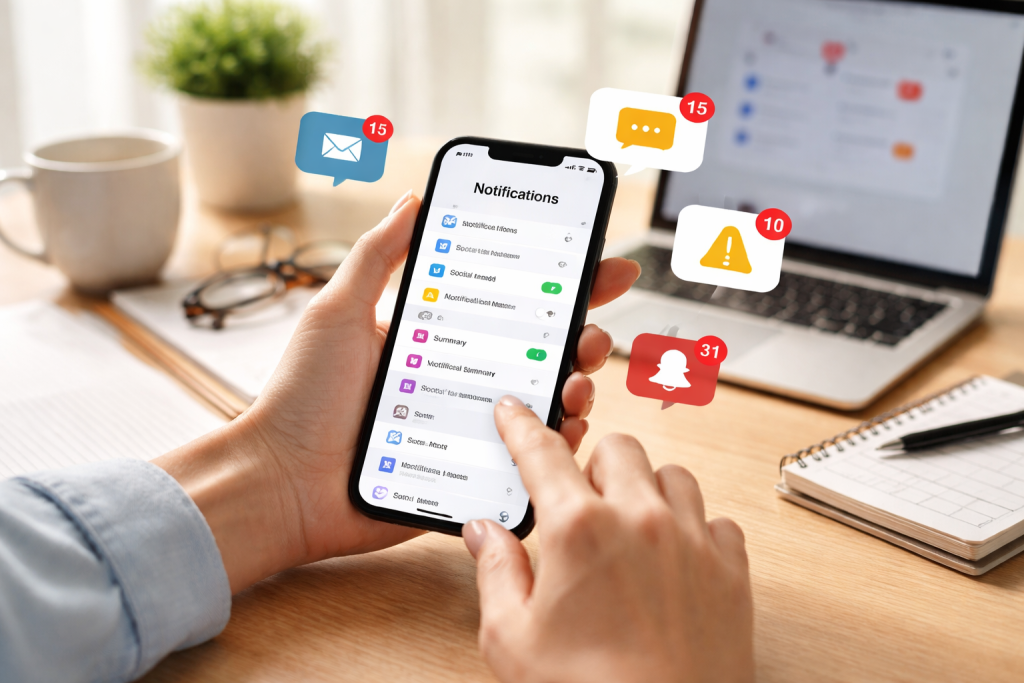
The constant barrage of pings, buzzes, and banners from our smartphones and computers has become an almost inescapable feature of modern life. Notifications, once a helpful tool for staying informed, now often feel like relentless demands on our attention, chipping away at our focus and contributing to a state of perpetual distraction. Reclaiming control over this digital deluge isn’t just about tidiness; it’s a vital step towards safeguarding our mental well-being and cultivating a more intentional relationship with technology. This comprehensive guide will equip you with the knowledge and strategies to navigate the choppy waters of notifications and emerge with a sense of digital peace.
The relentless stream of notifications can have a profound and often detrimental impact on our mental health. Our brains are not wired to constantly switch contexts, and each notification, however small, demands a cognitive shift. This constant switching can lead to a state of mental fatigue, making it harder to concentrate on important tasks and diminishing our overall productivity. Beyond cognitive load, notifications also contribute to increased stress and anxiety. The fear of missing out (FOMO) is a powerful driver, compelling us to check our devices frequently, even when we don’t genuinely need to. This creates a cycle of compulsivity, where the anticipation of a notification, or the urge to check for updates, becomes a source of low-grade, persistent anxiety.
Contents
- 0.1 The Dopamine Loop and Habit Formation
- 0.2 Impact on Focus and Productivity
- 0.3 Contributing to Stress and Anxiety
- 0.4 Tracking Your Notification Consumption
- 0.5 Identifying Your Triggers
- 0.6 Evaluating the False Urgency
- 0.7 The “Do Not Disturb” Superpower
- 0.8 Granular App Notification Control
- 0.9 Identifying “Needs to Know” vs. “Nice to Know”
- 0.10 Time-Blocking for Notification Checks
- 0.11 Notification Filters and Schedulers
- 0.12 Focus Apps and Gamification
- 0.13 Digital Wellbeing Dashboards
- 0.14 Browser Extensions for Desktop Notifications
- 0.15 The Bedroom as a Sanctuary
- 0.16 Designated “No-Tech” Times
- 0.17 Socially Sanctioned Disconnection
- 0.18 Mindfulness During Transitions
- 0.19 Morning Intentions
- 0.20 Strategic Midday Checks
- 0.21 Evening Wind-Down Ritual
- 0.22 Weekly Review and Adjustment
- 0.23 Embracing Imperfection
- 0.24 Continuous Evaluation and Adaptation
- 0.25 Cultivating Presence and Mindfulness
- 1 FAQs
- 1.1 1. What is the impact of notifications on mental health?
- 1.2 2. How can I assess my current notification habits?
- 1.3 3. What are some tools and apps to manage notifications?
- 1.4 4. How can I create a notification-free zone?
- 1.5 5. What are some tips for maintaining a healthy relationship with notifications?
The Dopamine Loop and Habit Formation
The design of many apps and operating systems leverages our brain’s reward pathways. When we receive a notification, especially one that elicits a positive response (like a message from a friend or a like on social media), our brain releases dopamine, a neurotransmitter associated with pleasure and reward. This creates a powerful dopamine loop, where the anticipation of this reward trains our brains to seek out and respond to notifications. Over time, this can lead to a habitual checking behavior, where the act of checking becomes automated, even when there’s no compelling reason to do so. This habit can be incredibly difficult to break and can consume a significant amount of our mental energy.
Impact on Focus and Productivity
The modern workplace often expects constant connectivity, and notifications exacerbate this pressure. Every ping and banner serves as a siren call, pulling us away from deep work and into a state of shallow engagement. Research suggests that it can take as long as 20 minutes or more to regain full focus after being interrupted by a notification. This constant disruption significantly hinders our ability to engage in tasks that require sustained concentration, leading to a decline in the quality of our work and an increase in errors. The cumulative effect of these interruptions can lead to feelings of being overwhelmed, inefficient, and ultimately, unfulfilled in our professional endeavors.
Contributing to Stress and Anxiety
Beyond the immediate distraction, persistent notifications can contribute to a generalized sense of anxiety. The feeling that you “should” be checking your phone, that something important might be happening, creates an underlying tension. This is often amplified by the perception that others are constantly available and responsive, leading to a sense of inadequacy if we are not. Social media notifications, in particular, can trigger comparisons and anxieties related to social standing and personal achievements, further fueling an unhealthy mental state. The constant awareness of the digital world intruding into our physical space can also make it difficult to truly relax and be present in the moment, leading to a pervasive sense of unease.
Before you can effectively control your notifications, it’s essential to understand your current relationship with them. This involves a period of honest self-observation and a willingness to confront potentially ingrained behaviors. Without this foundational understanding, any attempts to manage notifications will likely be superficial and ultimately ineffective. It’s about identifying the patterns, triggers, and the true impact these digital alerts are having on your daily life.
Tracking Your Notification Consumption
The first step in assessment is to become acutely aware of how many notifications you receive and how frequently you respond to them. For a week, make a conscious effort to notice every time your device buzzes or lights up. Resist the urge to immediately dismiss it and instead, observe its origin and the type of information it conveys. You might be surprised by the sheer volume and the nature of many of these alerts, realizing that a significant portion are not truly urgent or important. Many smartphones offer built-in tools that can provide data on app usage and notification frequency, offering a more objective starting point for your assessment.
Identifying Your Triggers
What prompts you to check your phone? Is it a specific sound, a vibration pattern, or simply a moment of boredom or downtime? Understanding your individual triggers is crucial. For example, do you find yourself reaching for your phone automatically when you’re waiting in line, during pauses in conversations, or when you experience a moment of anxiety? Recognizing these automatic responses will allow you to develop strategies to interrupt these ingrained habits and choose a more intentional action. It’s about moving from reactive checking to proactive engagement.
Evaluating the False Urgency
Many notifications are designed to convey a sense of urgency, even when the information is not time-sensitive. A breaking news alert might be a notification for an event that happened hours ago. A social media update is rarely a critical piece of information requiring immediate attention. This assessment phase involves critically evaluating each type of notification you receive. Ask yourself: “What is the actual consequence of not seeing this notification immediately? Does this app genuinely require real-time updates, or is it designed to create a sense of perpetual urgency for engagement?”
Once you have a clear understanding of your current notification habits and their impact, the next crucial step is to establish clear boundaries and prioritize which alerts truly deserve your attention. This is about consciously deciding what information is valuable enough to interrupt your workflow or your moments of peace, and what can be relegated to a later, more opportune time. This process is fundamentally about regaining agency over your digital environment.
The “Do Not Disturb” Superpower
The “Do Not Disturb” feature on most devices is an incredibly powerful tool. Learn to utilize its settings effectively. Instead of simply turning it on haphazardly, configure it to allow essential contacts or specific apps to break through during your designated quiet times. For example, you might choose to allow calls from family members while silencing all other alerts during work hours or late at night. Most operating systems allow for customization, enabling you to create profiles for different times of day or different activities.
Granular App Notification Control
Don’t settle for a blanket “on” or “off” for app notifications. Most applications offer granular control over the types of alerts they can send. For instance, in your email app, you might choose to receive notifications only for emails marked as high priority or from specific senders, rather than every single incoming message. Similarly, on social media, you might opt-in for notifications only for direct messages or mentions, filtering out the constant stream of general updates. Take the time to go through each app’s notification settings and make deliberate choices.
Identifying “Needs to Know” vs. “Nice to Know”
This principle is central to effective notification management. Categorize your incoming alerts into two main buckets: “needs to know” and “nice to know.” “Needs to know” notifications are those that require immediate or timely action, such as a critical work alert, a security warning, or an emergency communication. “Nice to know” notifications are those that can be reviewed at your convenience, such as social media updates, promotional emails, or even general news alerts that aren’t time-sensitive. This mental categorization will guide your decisions about which notifications you allow to interrupt you.
Time-Blocking for Notification Checks
Instead of constantly reacting to incoming alerts, dedicate specific blocks of time throughout your day to check your notifications. This could be at the beginning of your workday, during a mid-morning break, after lunch, and at the end of your workday. During these designated times, you can systematically review your emails, social media feeds, and other platforms. This approach transforms notification checking from a reactive, attention-fragmenting activity into a structured, controlled task.
Beyond the built-in features of your devices, a wealth of third-party apps and tools can assist you in regaining control over your notification stream. These tools can help automate processes, categorize alerts, and even encourage mindful engagement with your digital world. Exploring these options can provide a more robust and tailored approach to notification management.
Notification Filters and Schedulers
Several apps act as intelligent filters, allowing you to set rules for incoming notifications. You can, for example, create a rule that silences all social media notifications between certain hours or delays non-essential notifications until you’ve completed a specific task. Some advanced schedulers even learn your habits and can intelligently bundle less urgent notifications to be delivered at designated times, reducing the constant barrage.
Focus Apps and Gamification
There are numerous “focus” apps designed to help you stay on task and minimize distractions. Many of these apps utilize gamification techniques, rewarding you with points or virtual greenery for periods of uninterrupted focus. They often achieve this by temporarily blocking access to distracting apps and their associated notifications. For those who respond well to challenges and rewards, these tools can be incredibly effective in creating a more focused environment.
Digital Wellbeing Dashboards
Most modern operating systems now include “Digital Wellbeing” or similar dashboards. These tools provide insights into your device usage, including which apps you spend the most time on and how many notifications you receive. While this is primarily for assessment, some dashboards also offer features that can limit app usage or enforce quiet hours, acting as an extension of your self-imposed notification management strategies.
Browser Extensions for Desktop Notifications
If you spend a significant amount of time on your computer, desktop notifications can be just as problematic as those on your phone. Browser extensions are available that can help manage these, allowing you to disable notifications from specific websites, set quiet hours for browser alerts, or even batch them for review at a later time. This holistic approach to notification management ensures that your entire digital environment is under your control.
Establishing physical and mental spaces that are intentionally free from digital interruptions is a powerful strategy for reclaiming your peace and focus. These are sanctuaries where you can truly disconnect and engage with the present moment without the constant pull of your devices. These zones aren’t about avoiding technology altogether, but rather about creating intentional breaks from its incessant demands.
The Bedroom as a Sanctuary
The bedroom should ideally be a space for rest and rejuvenation, not a notification battleground. Resist the urge to bring your phone into the bedroom or at least keep it on silent and out of reach. Consider using a traditional alarm clock instead of your phone. This simple change can significantly improve sleep quality and reduce anxiety associated with checking your phone first thing in the morning or last thing at night.
Designated “No-Tech” Times
Beyond specific locations, establish “no-tech” times during your day. This could be during meals, during family time, or a dedicated hour before bed. These periods are for uninterrupted conversation, engaging in hobbies, or simply being present with yourself and loved ones. Communicate these “no-tech” times to those around you to manage expectations and reduce the likelihood of interruptions.
Socially Sanctioned Disconnection
Encourage a culture of disconnection among your friends and family. When you’re together, suggest putting phones away. This not only benefits your individual focus but also strengthens relationships by fostering genuine, undistracted interaction. When everyone is on board, it becomes the norm, and the pressure to be constantly available diminishes for everyone.
Mindfulness During Transitions
Use moments of transition – walking between meetings, commuting, or waiting for appointments – as opportunities to disconnect. Instead of immediately reaching for your phone, take a few moments to observe your surroundings, practice deep breathing, or simply enjoy the quiet. These short bursts of intentional disconnection can cumulatively contribute to a greater sense of calm and presence throughout your day.
Consistency is key when it comes to managing notifications effectively. Establishing a daily routine that incorporates conscious notification handling will help solidify new habits and ensure that you maintain control over time. This routine acts as a framework, preventing the gradual creep of notification entitlement that can occur when boundaries are not reinforced.
Morning Intentions
Begin your day with intention, not with an immediate dive into notifications. Resist the urge to check your phone for the first 30-60 minutes after waking up. Use this time for a quiet breakfast, light exercise, meditation, or simply to gather your thoughts. When you do decide to check your notifications, do so with a specific purpose, rather than aimlessly scrolling.
Strategic Midday Checks
During your workday, schedule specific times for checking non-urgent notifications. This might be during scheduled breaks or at designated “email checkpoints.” The goal is to batch your checking rather than allowing individual alerts to dictate your workflow. Learn to distinguish between truly urgent communications that require immediate attention and those that can wait.
Evening Wind-Down Ritual
As your day draws to a close, create an “unplugging” ritual. Aim to stop checking emails and social media at least an hour before bed. Use this time for activities that promote relaxation, such as reading a book, listening to calming music, or engaging in a hobby. This helps signal to your brain that it’s time to switch off from the digital world and prepare for rest.
Weekly Review and Adjustment
Once a week, take a few minutes to review your notification habits and settings. Did you struggle with certain notifications? Were there categories of alerts that you consistently ignored or found overwhelming? Use this weekly review to adjust your settings, refine your boundaries, and ensure your system remains effective. This iterative process of assessment and adjustment is crucial for long-term success.
Regaining control of your notifications isn’t a one-time fix; it’s an ongoing process that requires conscious effort and a commitment to a healthier digital lifestyle. The goal isn’t to eliminate all notifications, but rather to cultivate a relationship where technology serves you, rather than the other way around. This involves continuous self-awareness and a commitment to mindful digital engagement.
Embracing Imperfection
There will be days when you slip up. You might find yourself mindlessly checking your phone or succumbing to a tempting notification. Don’t berate yourself for these moments. Acknowledge them, learn from them, and recommit to your goals. Progress, not perfection, is the aim. Every conscious choice to disengage or prioritize is a victory.
Continuous Evaluation and Adaptation
The digital landscape is constantly evolving, and so too will the nature of notifications. Regularly revisit your notification settings and strategies. As apps update or new platforms emerge, be prepared to adapt your approach. What worked six months ago might need tweaking to remain effective today. Stay curious and proactive about your digital well-being.
Cultivating Presence and Mindfulness
Ultimately, the most effective way to manage notifications is to cultivate a greater sense of presence and mindfulness in your daily life. When you are truly engaged in the moment, the pull of a notification often diminishes. Practice being fully present during conversations, meals, and activities. The more you can anchor yourself in the here and now, the less power digital distractions will hold over you.
By understanding the impact of notifications, assessing your current habits, setting strong boundaries, utilizing the right tools, creating notification-free zones, establishing a routine, and continuously working on your relationship with these digital alerts, you can reclaim your attention, reduce stress, and cultivate a more balanced and fulfilling life in our hyper-connected world. This journey is an investment in your mental health and your overall quality of life.
FAQs
1. What is the impact of notifications on mental health?
Notifications can contribute to increased stress, anxiety, and decreased productivity. Constant interruptions from notifications can disrupt focus and concentration, leading to feelings of overwhelm and decreased overall well-being.
2. How can I assess my current notification habits?
You can assess your notification habits by tracking the frequency and types of notifications you receive, as well as how they make you feel. Reflect on whether notifications are enhancing or hindering your daily life and productivity.
3. What are some tools and apps to manage notifications?
There are various tools and apps available to help manage notifications, such as smartphone settings to customize notification preferences, apps that consolidate notifications, and productivity tools that allow you to schedule specific times for receiving notifications.
4. How can I create a notification-free zone?
Creating a notification-free zone involves designating specific areas or times where notifications are not allowed, such as during meals, family time, or before bedtime. This can help create a sense of calm and reduce the constant influx of information.
5. What are some tips for maintaining a healthy relationship with notifications?
To maintain a healthy relationship with notifications, it’s important to set boundaries, prioritize which notifications are truly important, establish a daily notification routine, and regularly reassess and adjust your notification settings as needed.
Welcome to The Tech Instruct, your trusted platform for simple, practical, and beginner-friendly technology learning.